Every morning, 327 buses leave the depot before the sun rises. Every evening, they bring the city home.
This guide walks you through the real economics of public transit — where every dollar goes, what gets cut when funding falls short, and what it costs to keep a city moving.
Who Rides
40,000 people. 38 routes. Most of them couldn't easily name an alternative if service ended tomorrow.
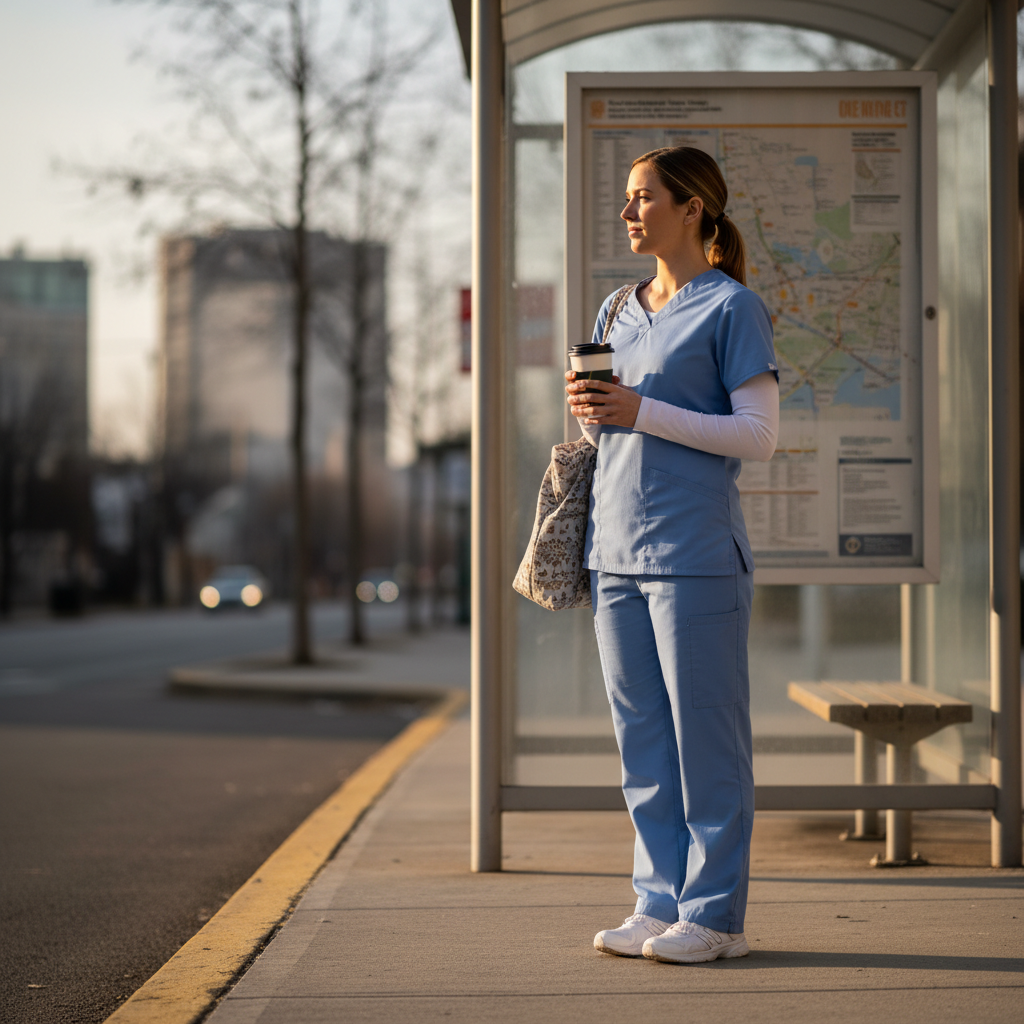
Catches the 6:14 AM express from the Eastside terminal every morning. Without this route, shift change at St. Mary's Medical Center is 45 minutes away by car — a car she doesn't own.

Three times a week, Harold rides the 8:20 AM crosstown to the dialysis center on Meridian. The fixed-route schedule is the only predictable thing in a week otherwise shaped by illness.

Her first solo trip across the city at 14. Now at 16 she rides alone to Lincoln High every day. The bus is where she does homework, listens to music, and watches the city change block by block.
"When the 6:14 runs late, the ICU is short a nurse. When the crosstown gets cut, Harold misses dialysis. The bus schedule and the city's health are the same schedule."
The Economics of One Bus
One bus. One driver. One route. Here's every dollar it costs to put that vehicle on the street for a single day.
The Funding Gap
This is what partial funding looks like in practice. Each bar shows how far current allocations cover actual operating need — and what gets cut when they don't.
What happens when a route gets cut?
Fund a Route
Every donation is tied to a specific outcome. You're not giving to an organization — you're buying a real hour of service for a real route.
Ride With Us
Join us for a behind-the-scenes depot tour — meet the drivers, walk the maintenance bays, and see where 327 buses begin their day. Converts awareness into recurring support.
Rider Voices
The people who depend on these routes don't need to be convinced the system matters. They live it.
I've taken the 6:14 for eleven years. I know every crack in the seat. When they cut service last January, I drove for the first time in a decade. I hated every minute of it.

My driver Marcus knows my stop. He waits an extra thirty seconds if he sees me walking from the dialysis center. That's not a system. That's a person who cares.

My mom was nervous about me riding alone. But the bus is where I learned to navigate the city. I know which stops to avoid at night. I know where the good seats are. It made me independent.